Chronic pain is a widespread condition that remains difficult to manage, both in terms of care pathways and treatment outcomes. It requires a multidisciplinary, personalized, and long-term approach, with the active involvement of the patient. Over the past decades, pain management specialists have increasingly acknowledged the close relationship between pain and psychological well-being. Psychological factors play a significant role in how individuals experience and respond to pain, influencing treatment adherence, pain chronicity, and levels of disability.
Menomale is an app designed to support people living with chronic pain through a structured, gradual, and comprehensive psychoeducational program.
Grounded in CBT and ACT approaches, the app helps users develop self-management skills, offers evidence-based information on pain within a biopsychosocial framework, and enables the planning of personalized activities aimed at improving behaviors and addressing unhelpful thought patterns. Menomale also features a coach bot and symptom-tracking tools.
Menomale is an app designed to support people living with chronic pain through a structured, gradual, and comprehensive psychoeducational program.
Grounded in CBT and ACT approaches, the app helps users develop self-management skills, offers evidence-based information on pain within a biopsychosocial framework, and enables the planning of personalized activities aimed at improving behaviors and addressing unhelpful thought patterns. Menomale also features a coach bot and symptom-tracking tools.
We started with an in-depth review of the scientific literature, alongside an analysis of the chronic pain app scenario.
Very early on, however, we shifted our focus to people. To define the UX strategy, we conducted interviews with individuals living with chronic pain and developed user personas. They were then re-engaged at multiple stages of the design process to gather feedback and iteratively refine the product.
We designed the visual identity as well as the UX and UI, including the illustrations for the user journeys and characters. We developed the Android app and integrated it with the Tulaan CMS.
We authored all content—over 180 pieces—grounded in scientific evidence and written with particular attention to inclusive language. We also recorded the audio content, produced worksheets for the exercises, and created expert-led video materials.
Finally, we worked with an interdisciplinary scientific advisory board to oversee all content and to define a usability evaluation protocol.
Very early on, however, we shifted our focus to people. To define the UX strategy, we conducted interviews with individuals living with chronic pain and developed user personas. They were then re-engaged at multiple stages of the design process to gather feedback and iteratively refine the product.
We designed the visual identity as well as the UX and UI, including the illustrations for the user journeys and characters. We developed the Android app and integrated it with the Tulaan CMS.
We authored all content—over 180 pieces—grounded in scientific evidence and written with particular attention to inclusive language. We also recorded the audio content, produced worksheets for the exercises, and created expert-led video materials.
Finally, we worked with an interdisciplinary scientific advisory board to oversee all content and to define a usability evaluation protocol.
positive logo in colors

negative logo

At the core of the app is an educational pathway structured into three progressive levels, designed to support the management of pain across its different dimensions, in line with the biopsychosocial model. The program includes health and lifestyle education—covering sleep, physical activity, stress management, and the appropriate use of medications—alongside training in emotional regulation, cognitive skills, and coping strategies.
A substantial portion of the content is dedicated to psychoeducation grounded in Cognitive Behavioral Therapy and Acceptance and Commitment Therapy. The goal is to address the psychological factors that significantly shape the pain experience—such as catastrophic thinking, anxiety, and fear—while strengthening self-management capacities that foster autonomy and empowerment, including motivation, self-efficacy, and assertive communication.
The garden metaphor plays a key role in the experience, allowing us to frame the program as an ongoing journey that also makes space for pausing, tending to, and nurturing the different elements that influence how pain is lived and managed.
Content types
Did you know?
Neuroscience-based education, CBT and ACT psychoeducation, and health literacy.
Take action!
Cognitive restructuring, expressive writing, self-assessment tools, and practical strategies.
Let go…
Mindfulness practices, relaxation exercises, guided meditations, and related techniques.
As users progress through the main program, new activities are unlocked in the app’s Toolbox. These activities are organized into thematic collections, called menopiù collections. Each collection focuses on a specific topic introduced in the main pathway, allowing users to explore it in greater depth. This structure enables users to integrate selected exercises into their daily routines based on their needs and preferences, supporting a personalized approach to goal-setting and app use. Examples of collections include less stress, more motivation, better sleep, more science, and fewer unhelpful thoughts.
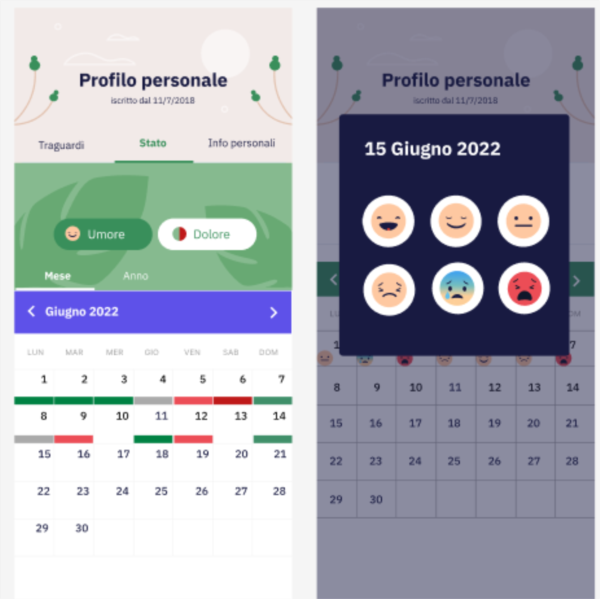
The tracking feature allows users to record and monitor pain intensity and mood over time.
A substantial portion of the content is dedicated to psychoeducation grounded in Cognitive Behavioral Therapy and Acceptance and Commitment Therapy. The goal is to address the psychological factors that significantly shape the pain experience—such as catastrophic thinking, anxiety, and fear—while strengthening self-management capacities that foster autonomy and empowerment, including motivation, self-efficacy, and assertive communication.
The garden metaphor plays a key role in the experience, allowing us to frame the program as an ongoing journey that also makes space for pausing, tending to, and nurturing the different elements that influence how pain is lived and managed.
Content types
Did you know?
Neuroscience-based education, CBT and ACT psychoeducation, and health literacy.
Take action!
Cognitive restructuring, expressive writing, self-assessment tools, and practical strategies.
Let go…
Mindfulness practices, relaxation exercises, guided meditations, and related techniques.
As users progress through the main program, new activities are unlocked in the app’s Toolbox. These activities are organized into thematic collections, called menopiù collections. Each collection focuses on a specific topic introduced in the main pathway, allowing users to explore it in greater depth. This structure enables users to integrate selected exercises into their daily routines based on their needs and preferences, supporting a personalized approach to goal-setting and app use. Examples of collections include less stress, more motivation, better sleep, more science, and fewer unhelpful thoughts.
The tracking feature allows users to record and monitor pain intensity and mood over time.
-
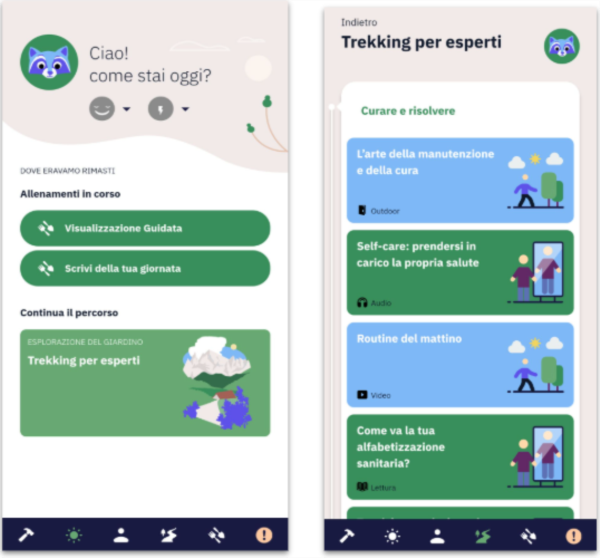
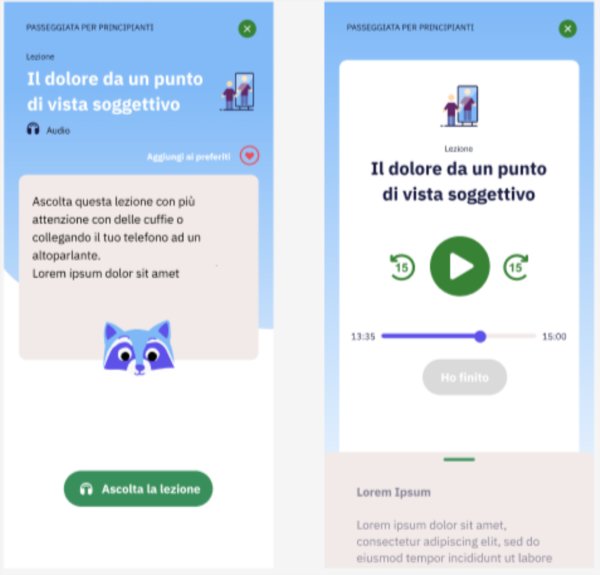
Some screenshots of the app
Some screenshots of the app
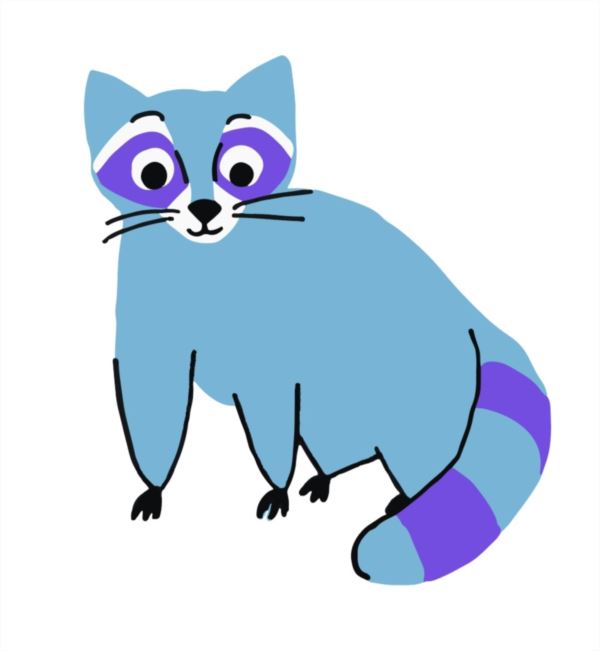
Three animal guides, each with a distinct coaching style, accompany users throughout the app experience. Through conversational interactions, they support app navigation while fostering motivation and long-term engagement.


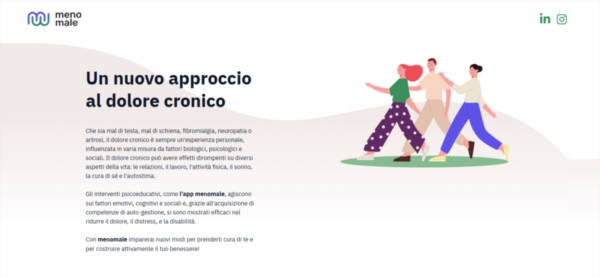
Website, Instagram and Linkedin